

How to scope and budget a SaaS MVP
Define a useful first SaaS release with clear user journeys, acceptance criteria, ownership and ongoing operating costs.
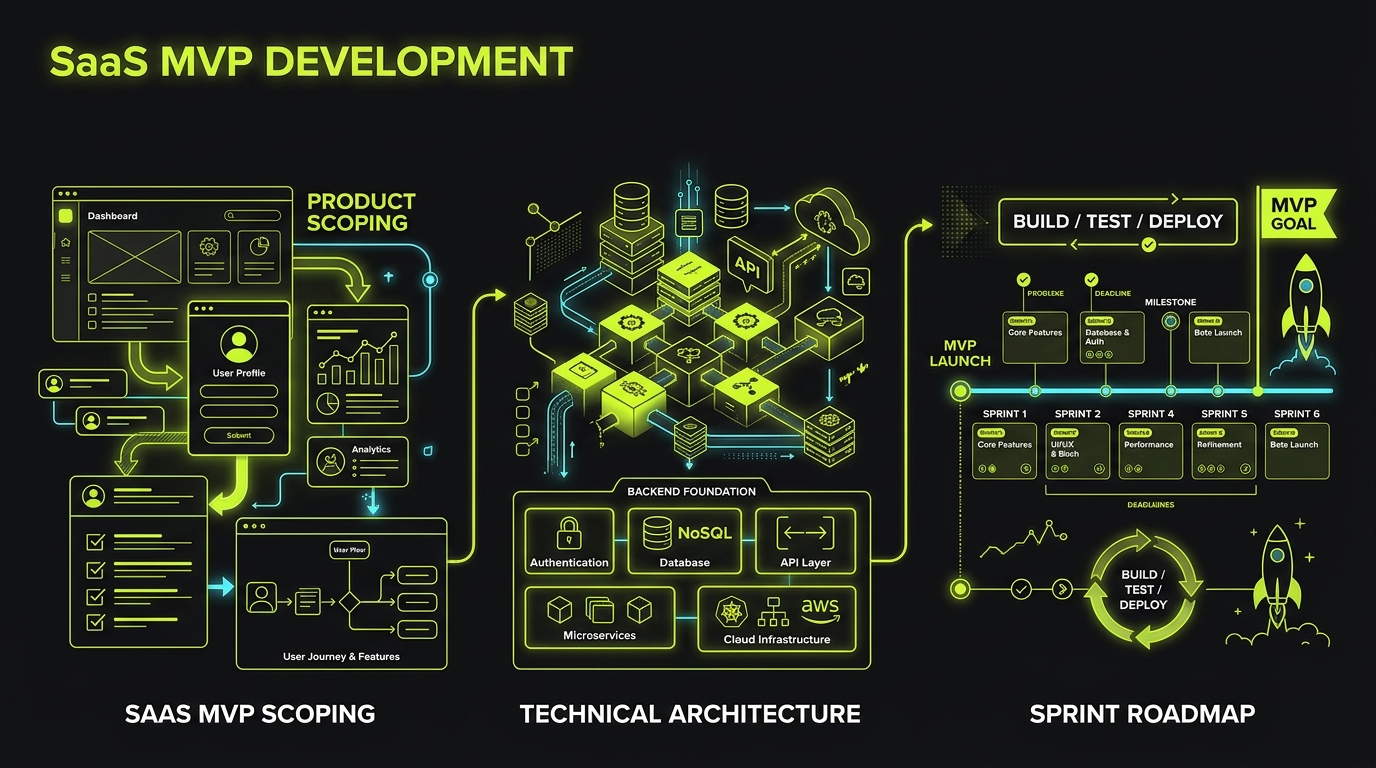
Choose one useful outcome
An MVP should let a defined group of users complete an important task and give the team evidence about the product. It does not need every feature on a competitor website. Start with the user, the problem and the smallest complete workflow worth releasing.
For example, a customer portal may initially need invitation, sign-in, a document list and a secure download flow. A reporting dashboard, billing engine and mobile app can be separate decisions. Write down the assumptions the first release will test before choosing the technical stack.
Turn features into acceptance criteria
An item such as user accounts hides several requirements. Who can invite people? How are permissions assigned? What happens when someone loses access? What should a user see when a request fails? These decisions influence engineering effort more than the number of screens alone.
- Define user roles and what each role can read or change.
- Describe the primary success journey and important failure states.
- Specify data imports, exports and third-party dependencies.
- Agree browser, mobile and accessibility requirements.
- Decide what administrators need to support real users.
- List explicit exclusions from the first release.
Separate build cost from operating cost
A project estimate should distinguish discovery, design, implementation, testing and handover. Operating expenses may include hosting, database capacity, authentication, transactional email, storage and monitoring. A prototype without production operations is not directly comparable with a supported release.
Elvantro estimates after scope review. We do not publish an invented fixed MVP price because tenancy, permissions, integrations and reliability expectations can change the work significantly. Ask any development partner what assumptions would cause the estimate to change.
Use milestones that can be demonstrated
A milestone should end with a working journey that can be reviewed, not an opaque percentage-complete report. Agree a short feedback cycle, who can approve decisions and how scope changes affect cost and timing.
US, UK, Canadian and European teams working with a remote partner should agree meeting overlap and written updates. Use accounts owned by the client for production services where appropriate, and document repository access, deployment access and intellectual property terms in the agreement.
Plan for the first real users
Before release, test access boundaries, errors, backups and recovery. Decide how users report problems and who responds. Keep sensitive information out of logs and analytics. Confirm the production environment behaves differently from test environments where needed.
Measure whether users complete the intended task and return because it is useful. Those observations are more actionable than adding features to match a checklist. Use the first release to decide what to improve next.
Continue Reading
Recommended Engineering Deep Dives
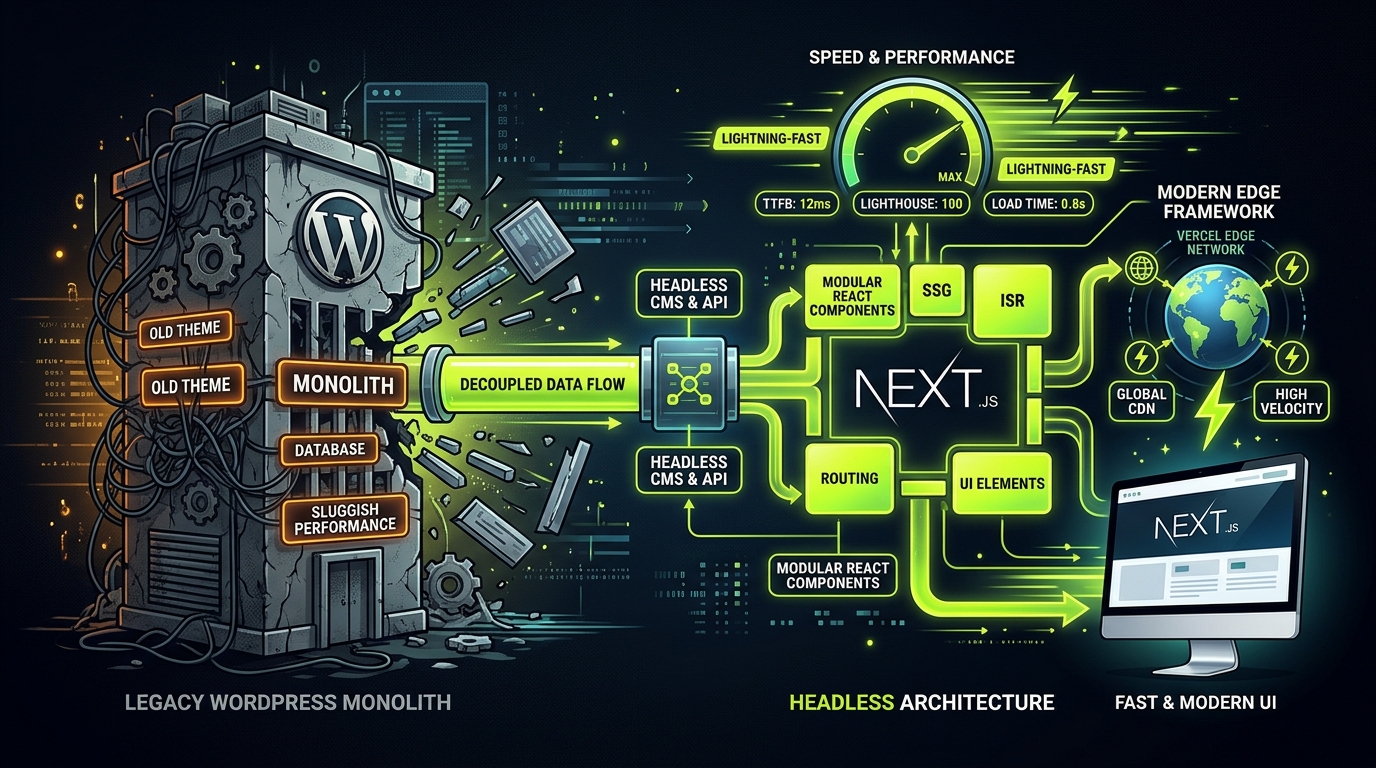
Modernizing Legacy WordPress Sites: When to Refactor, Decouple, or Rebuild
A strategic technical evaluation for mid-market businesses running slow WordPress websites with 50+ plugins. Learn when to refactor, go headless with Next.js, or rebuild from scratch.
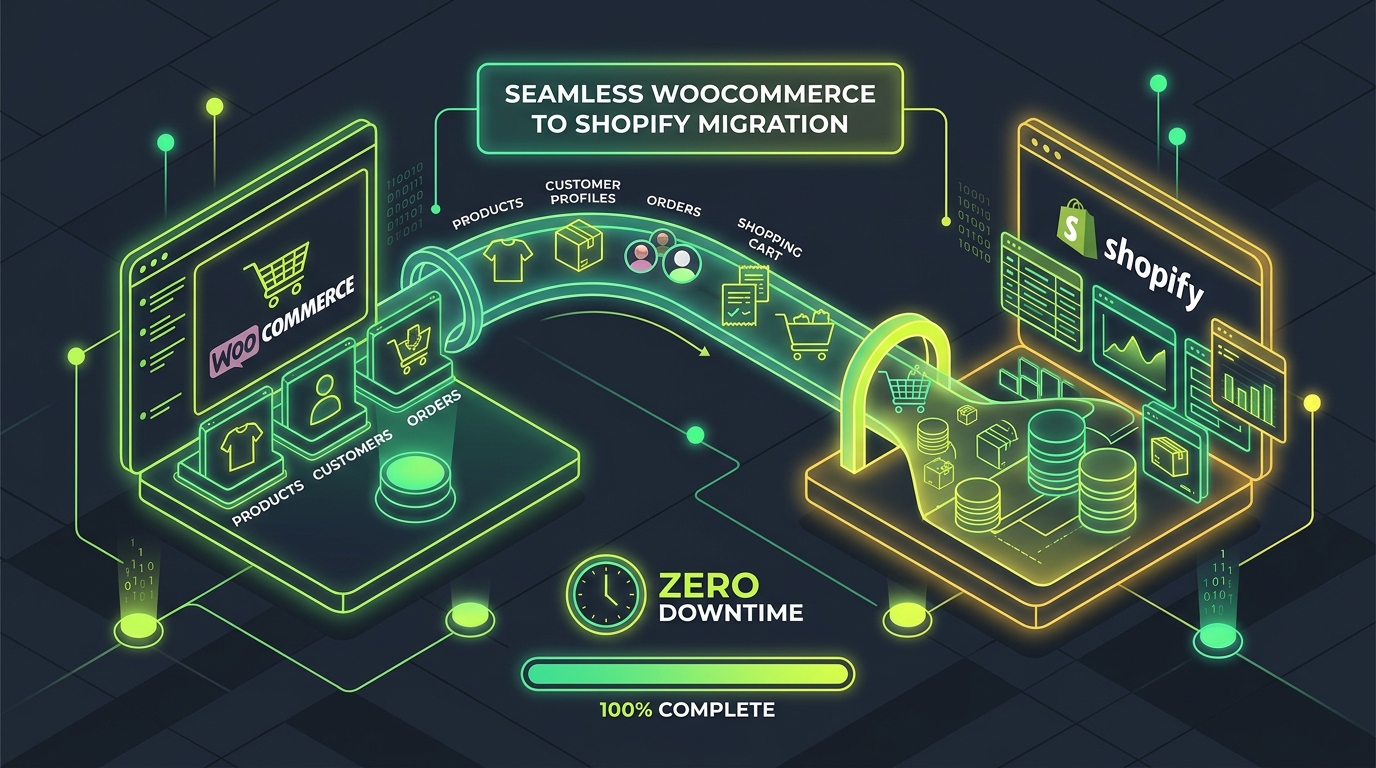
Zero-Downtime WooCommerce to Shopify Migration: The Technical Engineering Playbook
The definitive technical guide for migrating 7-figure WooCommerce stores to Shopify. Protect historical order data, preserve 100% of organic SEO traffic, and ensure seamless customer accounts.
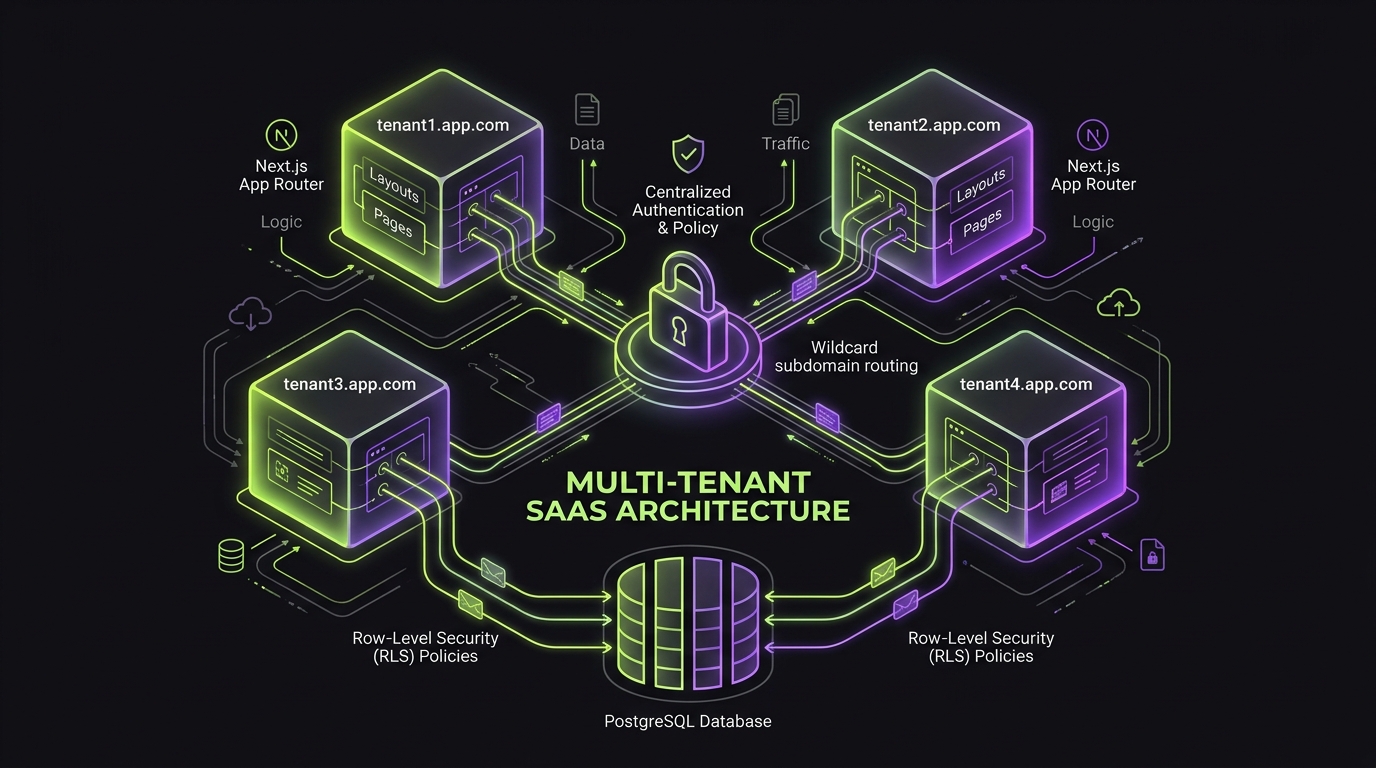
Multi-Tenant SaaS Architecture: Next.js App Router, Subdomains, and PostgreSQL RLS
Engineering blueprint for building high-compliance B2B SaaS. Implement wildcard subdomain routing, tenant isolation, and bulletproof PostgreSQL Row-Level Security.
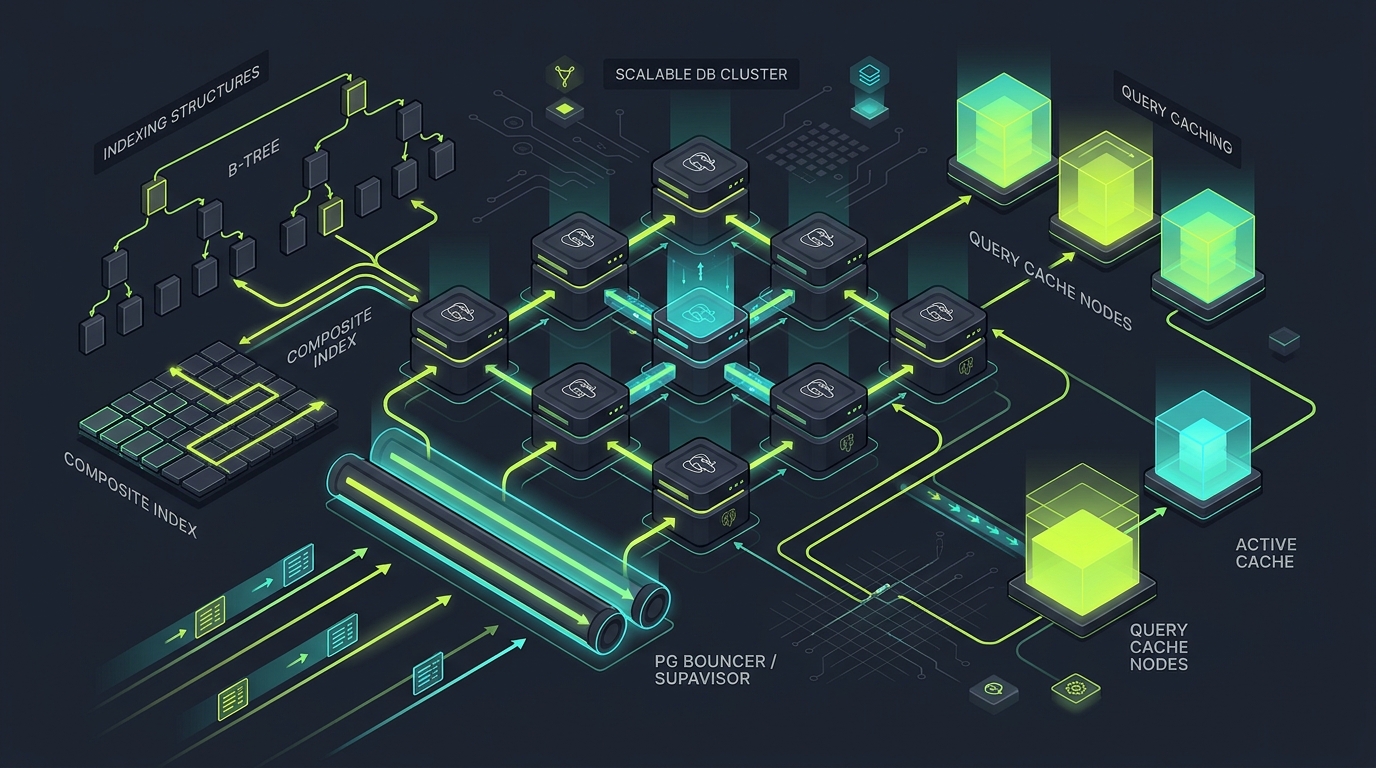
PostgreSQL Optimization at Scale: Eliminating 90% of Next.js Serverless Latency
Practical engineering guide to fixing slow Next.js API routes and database bottlenecks. Master connection pooling with Supavisor, composite indexing, partial indexes, and N+1 prevention.