

What determines Shopify development cost?
A practical way to scope Shopify design, development, migration and recurring costs before requesting an agency proposal.
Start with the work, not a headline price
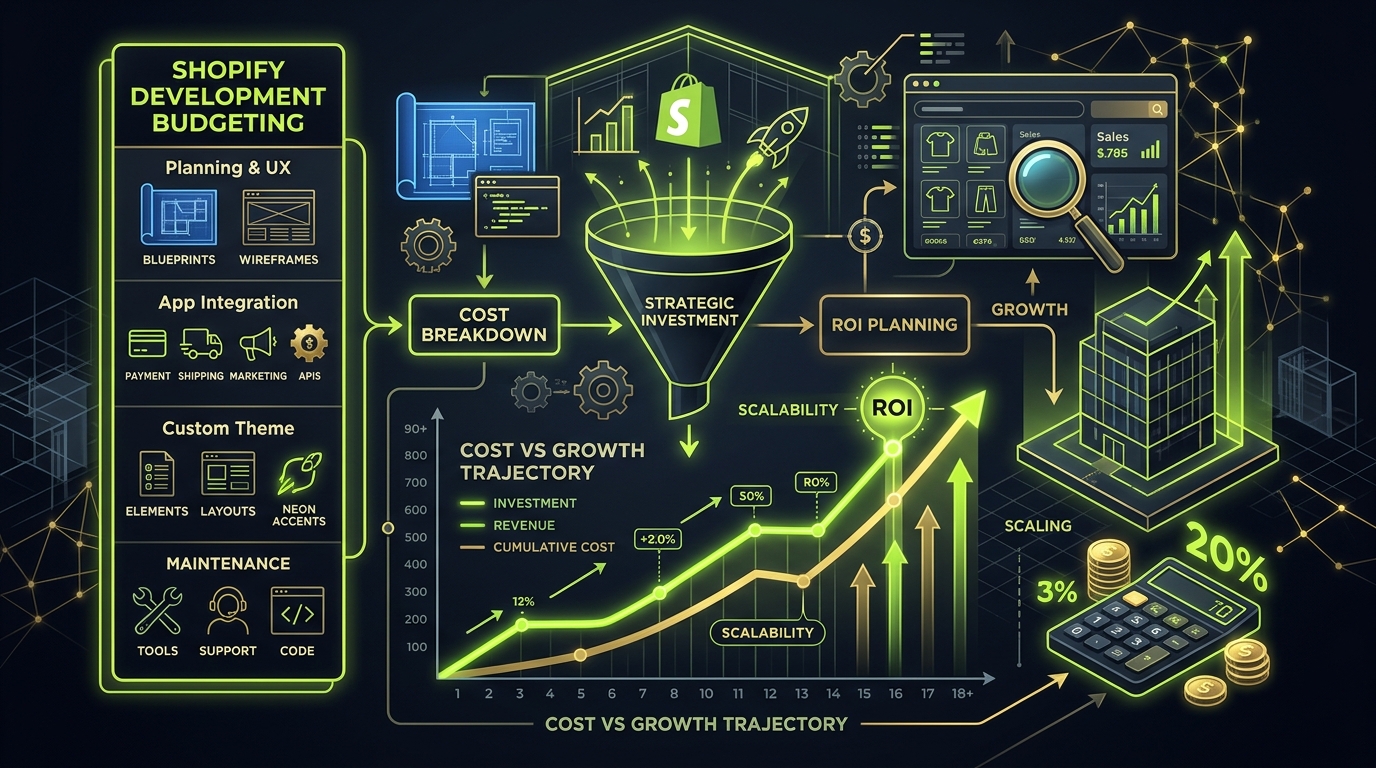
Shopify development cost depends on the storefront, content, catalogue, integrations and migration work required. A theme configuration and a custom storefront are different projects. A useful proposal separates the agency build fee from platform subscriptions, licensed assets and ongoing support.
For a US, UK, Canadian or European brand buying remotely, the most useful first step is a written scope. Share your existing store, target launch, catalogue size, required markets and the operational systems that need to connect. Elvantro prepares a scoped proposal rather than publishing a price that assumes requirements you have not agreed.
The main cost drivers
Design complexity increases when a store needs different product templates, subscriptions, bundles, wholesale journeys or custom editorial layouts. Catalogue work includes data cleanup, variants, images, collection rules and the relationship between old and new products.
- Theme adaptation versus a custom visual and section system.
- Number of distinct templates and reusable sections, not just page count.
- Product, customer and order migration requirements and platform limitations.
- Payments, shipping, tax configuration and market-specific checkout testing.
- Connections to inventory, fulfilment, email and other systems.
- Content creation, accessibility review, analytics and launch support.
Compare proposals using the same assumptions
Ask each agency to state who supplies copy, photography and product data; how revisions work; and which browsers and devices will be tested. Confirm whether redirects, analytics validation and staff training are included. A lower quote may exclude work your team will still need to perform.
For international engagements, agree the invoice currency, milestone schedule, meeting overlap and ownership of store accounts. Taxes, exchange fees and third-party subscriptions should be explained separately. Do not assume that a quoted build price includes Shopify fees or paid app renewals.
Budget for operation after launch
A store needs an owner after handover. Theme changes, new app permissions and catalogue updates can affect performance or checkout. Define which work is included in maintenance, how urgent issues are handled and when new features require a separate estimate.
Useful commercial measures include completed orders, qualified enquiries and checkout completion. Record a baseline before redesign and avoid attributing every revenue change to the website: promotions, stock availability and traffic quality also affect the result.
What to send us for an estimate
Send your store URL, a short description of the business, must-have features, migration needs and preferred launch window. If you are unsure about a feature, describe the customer problem instead. We can help separate launch essentials from later improvements.
You will receive a proposal based on the agreed work. A proposal should make exclusions and recurring charges visible so you can decide with a realistic total cost in mind.
Continue Reading
Recommended Engineering Deep Dives
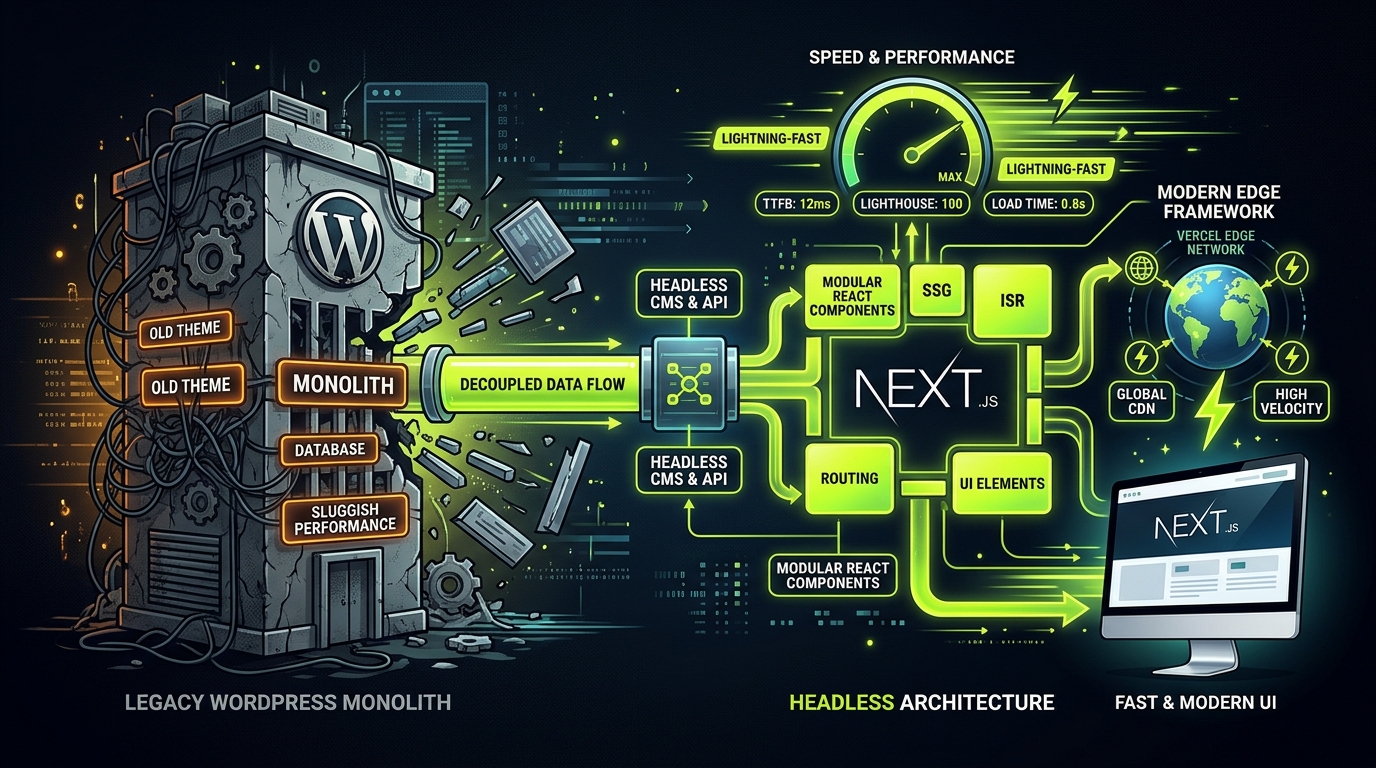
Modernizing Legacy WordPress Sites: When to Refactor, Decouple, or Rebuild
A strategic technical evaluation for mid-market businesses running slow WordPress websites with 50+ plugins. Learn when to refactor, go headless with Next.js, or rebuild from scratch.
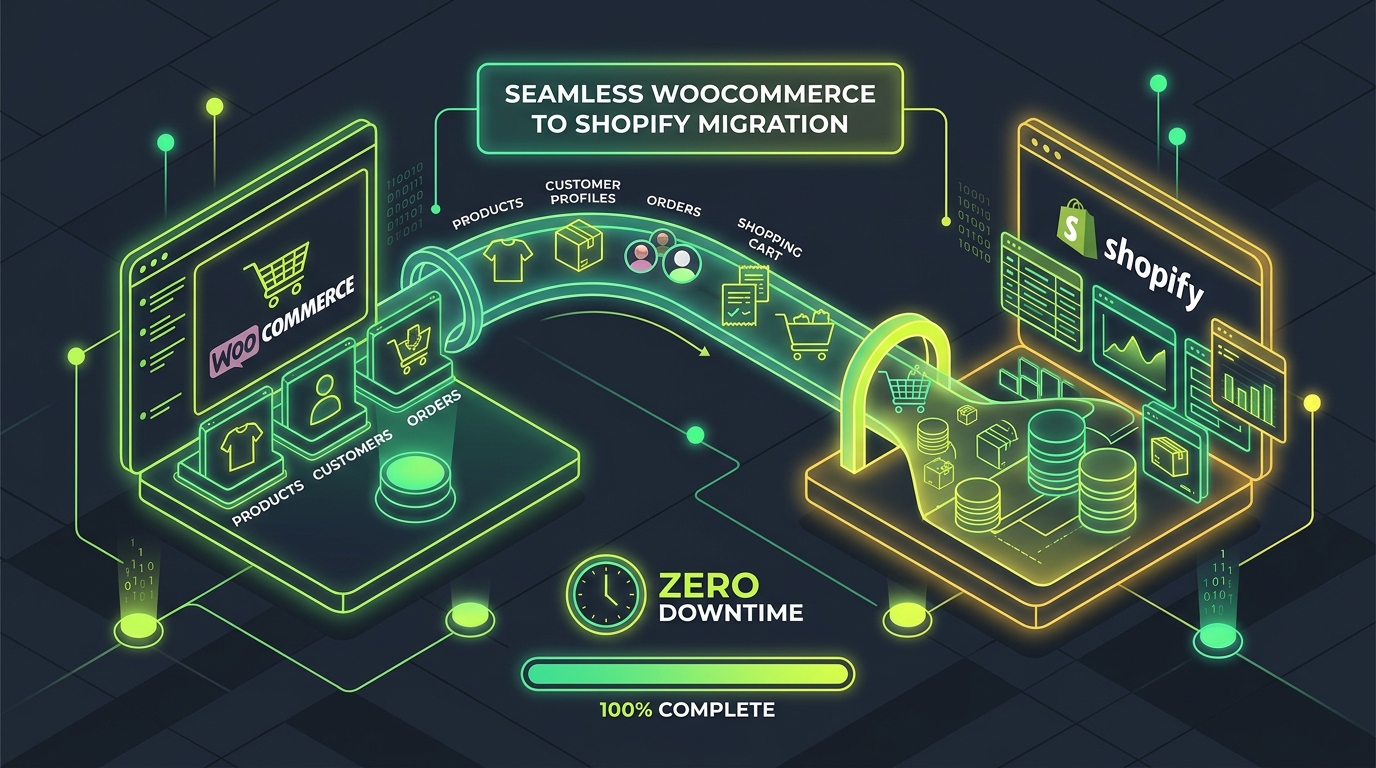
Zero-Downtime WooCommerce to Shopify Migration: The Technical Engineering Playbook
The definitive technical guide for migrating 7-figure WooCommerce stores to Shopify. Protect historical order data, preserve 100% of organic SEO traffic, and ensure seamless customer accounts.
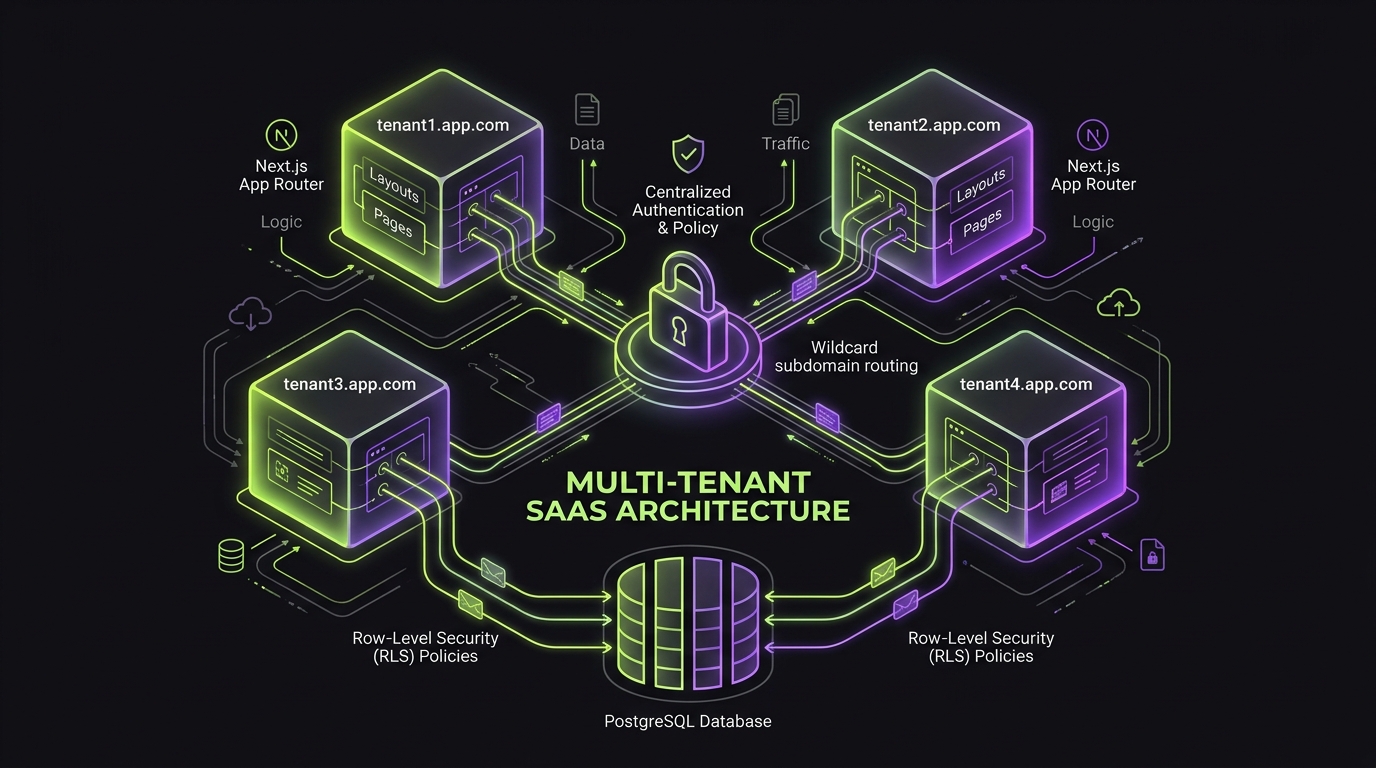
Multi-Tenant SaaS Architecture: Next.js App Router, Subdomains, and PostgreSQL RLS
Engineering blueprint for building high-compliance B2B SaaS. Implement wildcard subdomain routing, tenant isolation, and bulletproof PostgreSQL Row-Level Security.
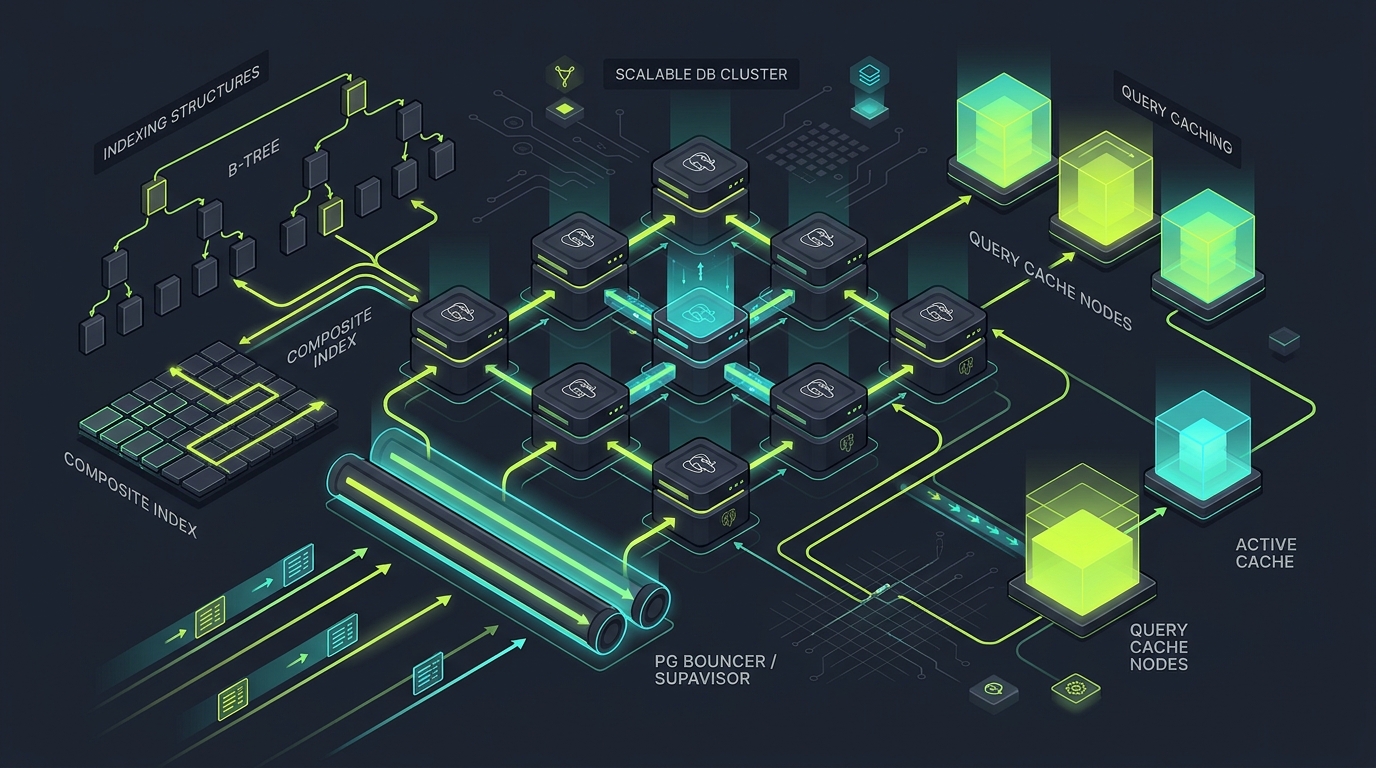
PostgreSQL Optimization at Scale: Eliminating 90% of Next.js Serverless Latency
Practical engineering guide to fixing slow Next.js API routes and database bottlenecks. Master connection pooling with Supavisor, composite indexing, partial indexes, and N+1 prevention.